We accept
Medicare Advantage plans to fit your dental needs.
Medicare Advantage plans to fit your dental needs.
October brings many things, some of them scary (Boo!) but seeing your dental hygienist doesn’t have to be one of them. On the contrary, by making regular visits to your dental hygienist – as we are reminded each October during National Dental Hygiene Month – you can keep your teeth happy and safe and prevent anything scary (cavities, toothaches, tooth decay) from happening to them. That’s why, this October, instead of candy, we at Sweetwater Smiles are bringing you these delicious key facts about good dental hygiene.
Dental hygiene is a broad term used to describe the collection of habits that help you maintain healthy teeth. Those habits include:
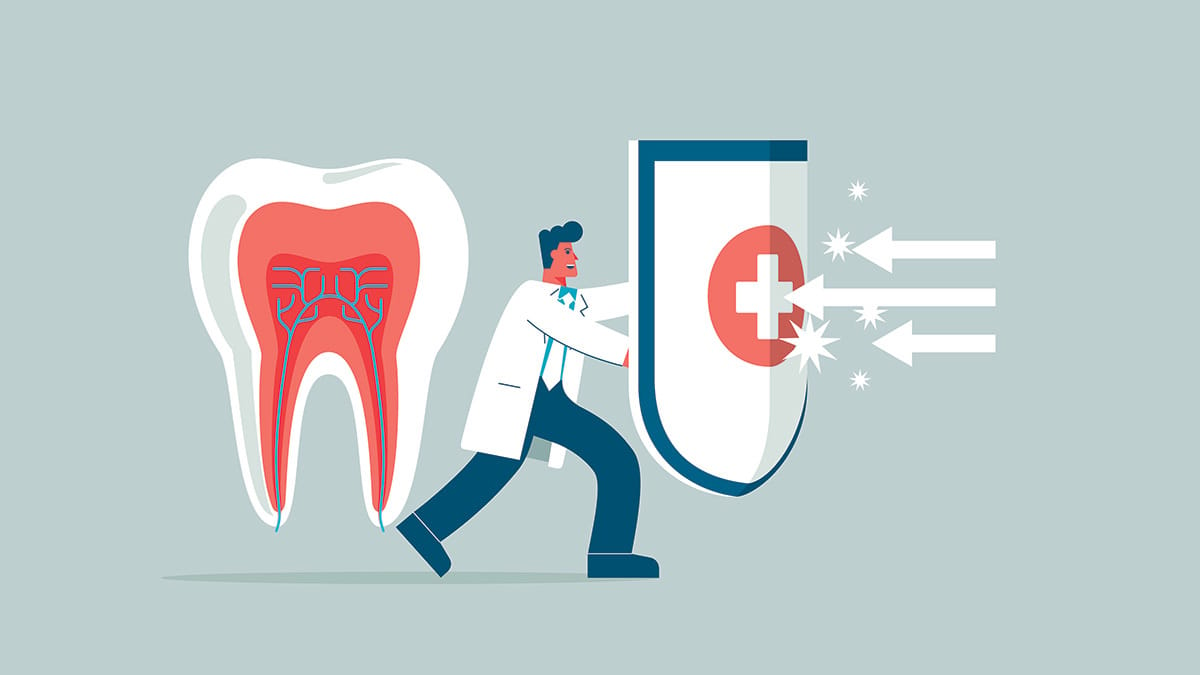
It may seem obvious that dental hygiene helps restore, retain, and improve dental health. What may be less obvious, however, is that it also helps protect your overall health.
The health of your mouth is directly tied to the health of the rest of your body. An illness in one can eventually harm the other. For example, if a tooth infection goes without treatment, that infection can spread to your heart, lungs, brain and so on. Likewise, any health condition associated with inflammation could be tied to an untreated inflammation in the mouth.
Poor dental hygiene has been associated with:
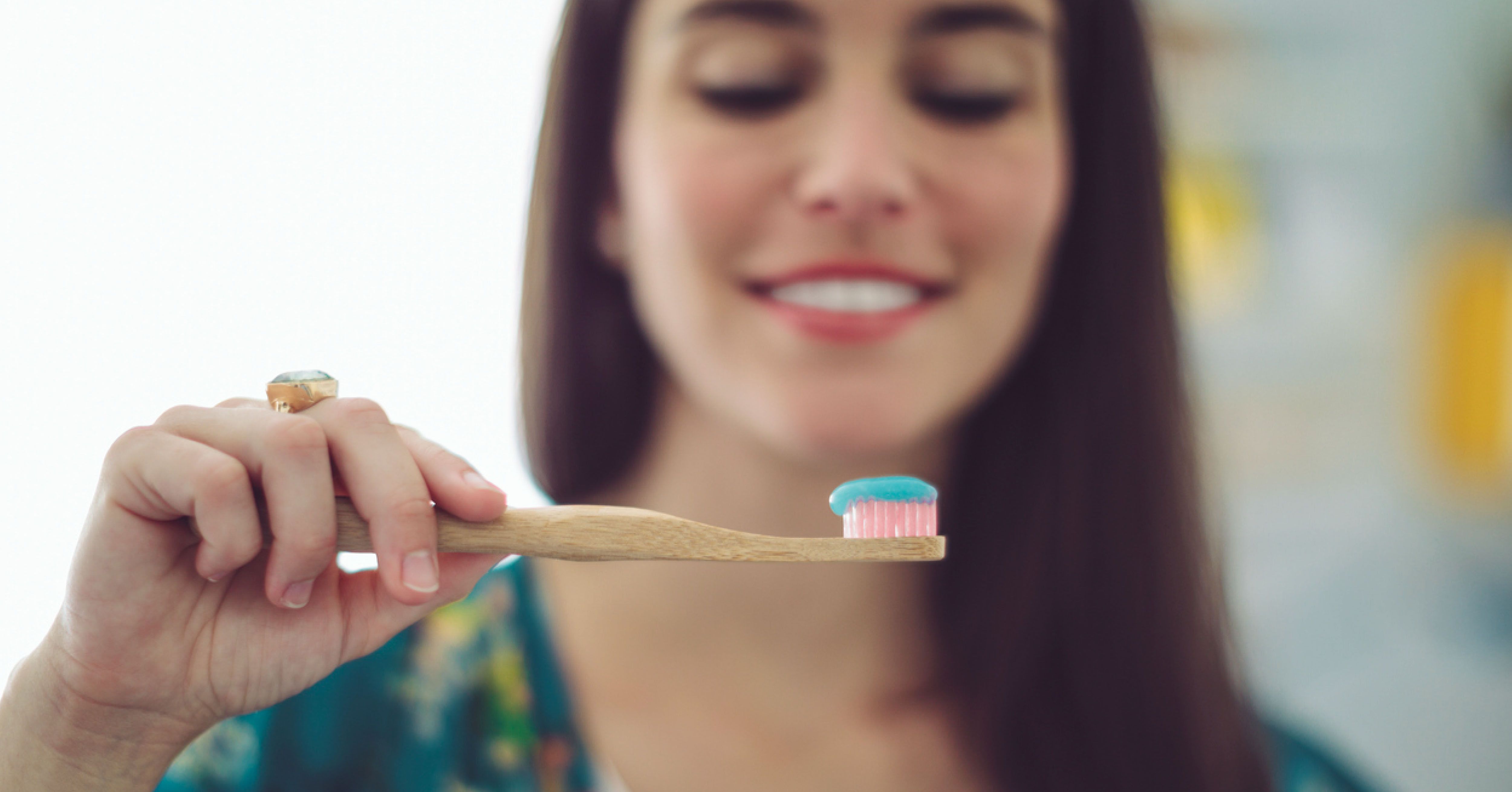
To brush your teeth more effectively:
Whether you use a manual (regular) toothbrush or an electric toothbrush, the bristles will eventually start to wear and fray. When this happens, you should replace your old toothbrush or electric toothbrush head with a new one. Otherwise, your brushing won’t be as effective and will get progressively less so. You should change out your toothbrush or toothbrush head at least every three months.
Brushing your teeth may be essential for removing much of the food debris, bacteria, and plaque that accumulate on and between the teeth, but it doesn’t remove all of it. Flossing once daily helps remove a lot of the remaining debris, particularly that which is trapped in the small spaces between your teeth.
To floss most effectively:
While brushing and flossing are indisputably the essential at-home dental care habits to practice, they are not the only dental hygiene practices you can benefit from. In addition to brushing and flossing, consider incorporating these into your daily dental care routine.
Rinsing with an antiseptic mouthwash before you brush your teeth to remove already loose or easy to remove food particles and bacteria helps improve the effectiveness of your tooth-brushing efforts. It also helps protect your mouth by killing off the bacteria in plaque and remineralizes your tooth enamel to help keep it strong.
Chewing sugar-free gum between meals or when you’re unable to brush helps remove bacteria and plaque and helps keep your teeth and gums healthy and strong.
And, speaking of sugar, eating a healthy diet free of excessive sugar helps prevent acids from forming on your teeth that can eat away at your tooth enamel.
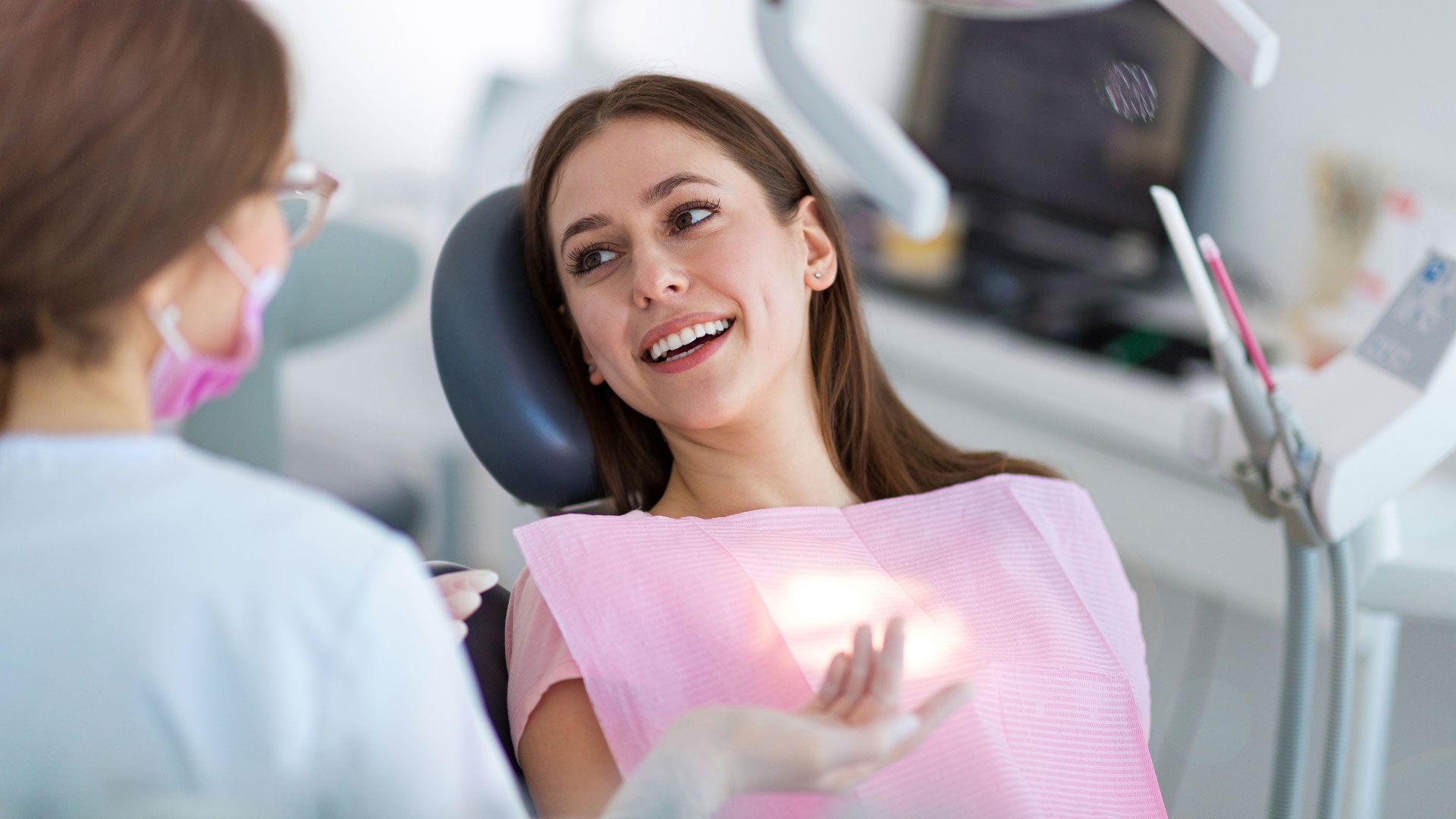
While your dentist may be essential for maintaining your oral health, don’t dismiss the invaluable role your dental hygienist plays in this effort as well.
Your dental hygienist is normally the one who:
That’s why so much – if not most – of your time in the dentist’s chair, you’ll actually spend with your dental hygienist.
Call us at Sweetwater Smiles today to schedule your next appointment with a dental hygienist in Sweetwater.