We accept
Medicare Advantage plans to fit your dental needs.
Medicare Advantage plans to fit your dental needs.

Did you ever take a drink of an ice-cold lemonade on a hot day and wish you had waited? When you have sensitive teeth, any food or drink that is almost boiling hot or cold will cause a sharp jolt of pain. You have to wait until your food or drink is tepid. Pain usually lasts until the tooth settles back to its normal temperature. Acidic and sweet foods can also trigger pain. Wouldn’t it be nice to live in a world where you could eat all the foods you wanted without worrying about tooth sensitivity? Well, there is good news. You can! Tooth sensitivity is not permanent. However, it helps to understand how it starts in order to stop it from occurring.
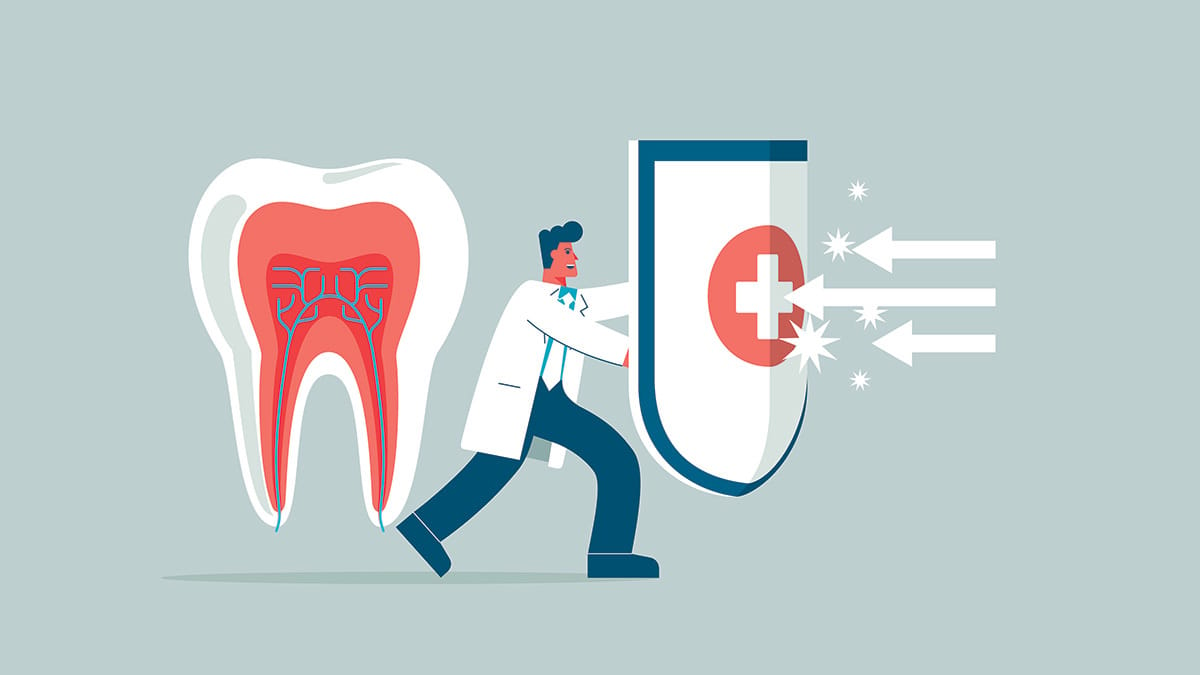
Worn tooth enamel or exposed roots are usually the root causes of sensitive teeth are a common product of worn tooth enamel or an exposed tooth root. Enamel is a very hard substance which protects the crown of a tooth. Underneath the enamel is the dentin. Dentin contains tubules, or microscopic channels, that connect to the pulp. The pulp contains the tooth's nerves, blood vessels and connective tissue. The roots don't have enamel over them, so when they are exposed, you will feel pain from hot and cold substances.
According to a study published in the Journal of the American Dental Association, one in eight U.S. adults has sensitive teeth. While over-sensitive teeth are a common problem, there is no reason to suffer. Your dentist can determine why your teeth are sensitive and help you find a solution.
First, the best way to get rid of tooth sensitivity is to prevent it in the first place. If you are experiencing tooth sensitivity, try improving your oral care routine. Use a soft toothbrush and hold it at 45-degree angle. Brush for two minutes, brushing all sides of each tooth. Always use a soft toothbrush and a fluoride toothpaste. Also, make sure to floss every day. Flossing is most often left out of an oral health care routine, but it’s vitally important.
Second, try a desensitizing toothpaste. These work by blocking stimulus to the nerve and they may take a few days to produce results. To ensure effectiveness and safety, use one with the American Dental Association’s Seal of Acceptance. These don't address the root cause of sensitivity though, they just stop the twinges of pain. However, this can help provide relief before you go to the dentist.
Third, start eating foods that will rebuild your tooth enamel. These include foods and beverages with calcium, phosphorus and vitamins A and D. If you consume acidic beverages, use a straw. If this isn't possible, rinse afterward with water or milk, but don't brush for an hour or so. You will also want to try to avoid foods that cause enamel to erode more quickly, such as highly acidic foods.
See your dentist for regular exams. They can alert you to any issues, like cavities or failed dental fillings before they become a problem. You dentist is your best resource for preventing and fixing dental problems. When you meet with them regularly, you can avoid paying expensive fees and having invasive procedures to fix complex problems.
Depending on the reason for your sensitivity, your dentist can:
To find a solution to your tooth sensitivity, make an appointment with a local dentist. You shouldn't have to limit yourself to tepid foods and drinks when most sensitive teeth treatments are simple and affordable.